Manufacturers, IT providers, healthcare organizations, food processors, engineers, and other businesses require methods to sustain quality, mitigate risks, and satisfy clients. Within the context of international standards, organizations can optimize their functions and create uniform procedures. But there is no one-size-fits-all solution: The optimal certification for an organization is contingent upon what it does, the market it operates in, who its clients are, and its compliance obligations.
By learning about the various types of ISO standards and how they apply to business, organizations can determine which are most useful. Everyone knows that ISO standards have a wide range of uses for different types of organizations.
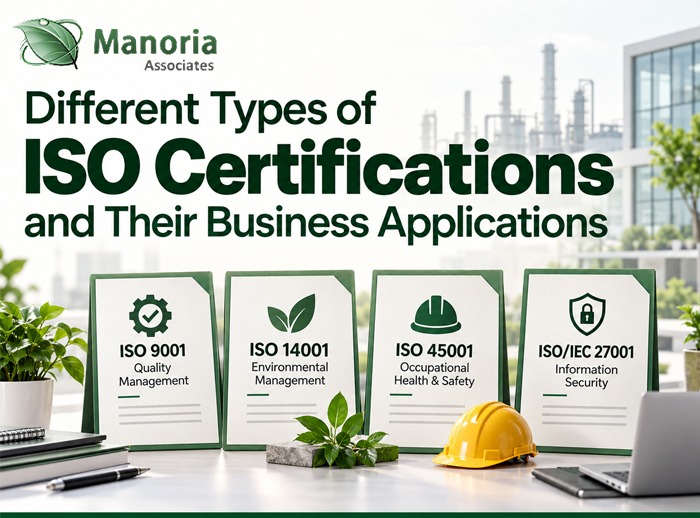
ISO 9001 is one of the most popular quality standards. You can use it to implement processes that keep your quality and service standards consistent, know what your customers want, and focus on improving your overall performance.
ISO 9001 enables manufacturers to track defect rates, monitor supplier quality, control production processes and address customer complaints. Service companies can follow the same approach to enhance the quality of their services.
Such as, an engineering company might implement a quality management system to make certain each project is conducted to established procedures and that specific specifications are satisfied. ISO 9001 is relevant to manufacturing companies, trading organizations, engineering organisations and providing agencies, no matter what size they are.
ISO 14001 is a standard for environmental management. It is an effective tool to help organizations identify and control the environmental impact of their activities, and continually improve their environmental performance.
Industrial companies could apply this standard to track waste production, manage resource use, regulate emissions, and create procedures for sensitive activities. Construction and manufacturing organizations could adopt this to evaluate the environmental impact of their processes.
By implementing an environmental management system (or EMS), a company is able to establish objectives that can be measured, and also allow for a periodic review of the company's environmental performance. This process is most applicable to those that wish to manage resources more effectively and systemically approach all its environmental obligations.
ISO 45001 considers safety hazards in the workplace. It ensures that organisations are aware of hazards in the workplace, their risks and controls which help make working environments safer.
Workplaces that utilize factories, construction companies, warehouses, engineering facilities and workplaces can use this standard for hazard identification, employee training, incident reporting and emergency preparedness.
As another example, a manufacturing plant might implement written safety inspection procedures, procedures for operating machinery, and risk assessments as part of its effort to identify potential hazards at work. ISO 45001 offers guidance on how to effectively manage this work and drive continual improvement.
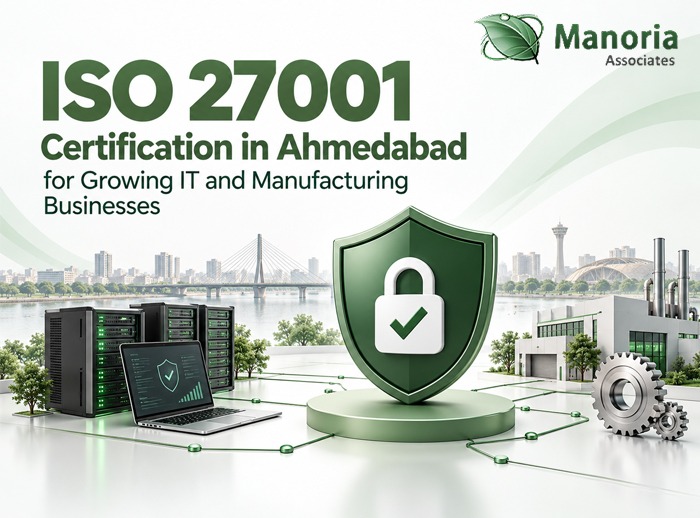
Any organization that processes sensitive information, manages customer records, deals with financial information or business critical systems must have controls to manage their information security. Information security management systems are described in ISO/IEC 27001.
Information technology companies, software manufacturers, financial service providers and firms that handle sensitive customer information might find this standard useful. To implement, the standard involves determining information security risks, establishing responsibilities, determining controls and reviewing the controls.
Additionally, a software organization may rely on risk assessments, access controls, incident response procedures and employee training to improve information security. Achieving ISO/IEC 27001 can also allow an organization to show that it is taking a methodical approach to IT security when dealing with customer or contractual obligations.
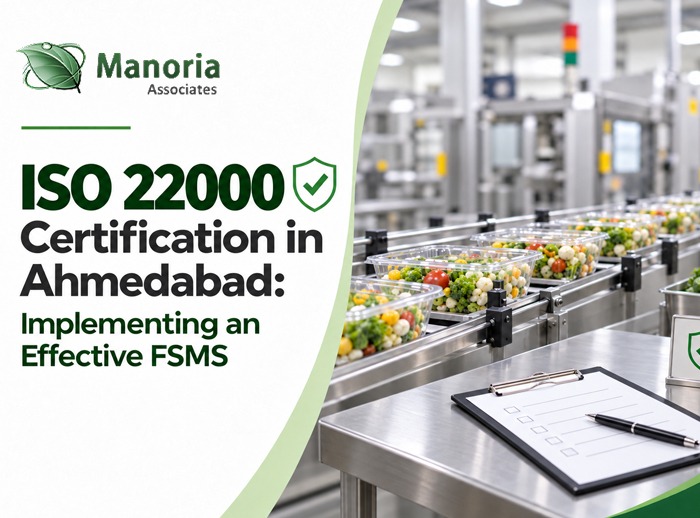
ISO 22000 addresses food safety management along the entire food chain and can be applied to any organization in the food chain, from production to handling to manufacturing. It allows organizations to identify food safety hazards, implement control measures, and maintain processes to ensure safe food.
This standard could also be useful for food manufacturers, processors, caterers and other types of business in the food chain. It could help a business control hygiene practices, crucial processes, traceability and food safety incidents.
For instance: a processing plant could apply documented procedures for the reception of raw materials, controls during manufacturing, storage and traceability of the finished product. ISO 22000 can be aligned with any other food safety requirements.
ISO 13485 specifies requirements for a quality management system (QMS) where an organization needs to demonstrate its ability to provide medical devices and related services that consistently meet customer requirements.
This standard helps medical device manufacturers and eligible suppliers by making process control, documentation, risk management and traceability of the product easier. This standard is especially relevant to organizations in an industry where the performance, safety and compliance of the product are essential.
Entities need to consider the relevant regulatory requirements in addition to the standard as they plan for implementation or certification.
IATF 16949 is an automotive quality management system derived from ISO 9001 but including more specific requirements for the automotive industry. IATF 16949 emphasizes quality process alignment, defect prevention, supply chain management and continual improvement.
Also, now product suppliers and manufacturers of automotive components who manufacture suitable automotive products will likely be required to adopt the standard. Its use may extend to control of manufacturing processes, evaluating suppliers, risk assessment and decrease of manufacturing faults.
If an organization has a unique position within the automotive supply chain, it should verify that IATF 16949 is relevant to that position before starting the process.
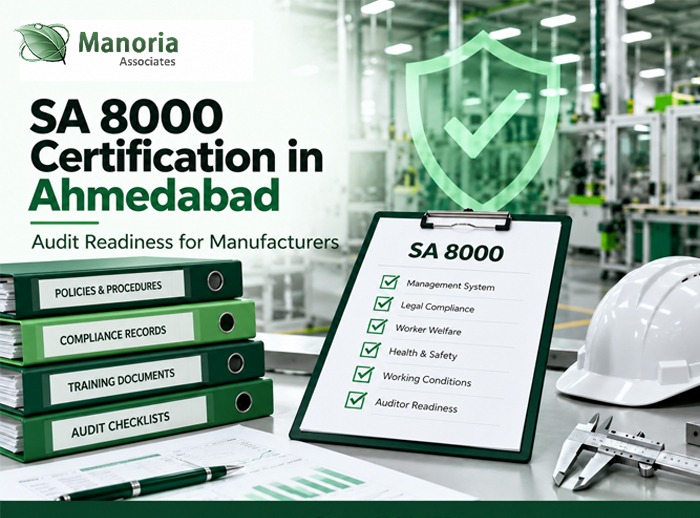
SA 8000 (Social Accountability 8000) is a comprehensive social accountability and workplace standard. It's not an ISO standard, but it applies to companies assessing labour conditions and social performance.
Among other topics, it covers child labour, forced labour, health and safety in the workplace, discrimination, hours of work, remuneration, and workers' rights. The standard can be used by manufacturers and other companies that operate in labour-intensive industries.
It is recommended that your business review the applicable version of the standard and the current certification requirements prior to beginning implementation.
The certification that is most applicable will reflect a company's primary operational priorities and customer needs. An organization whose emphasis is on product quality may look at ISO 9001; a company whose core competency is on managing digital information may look at ISO/IEC 27001; food organizations may be looking at ISO 22000 and medical device manufacturers at ISO 13485.
Prior to committing to a standard, organizations should consider their business operations, contractual and legal obligations, existing practices and procedures, and resources. Organizations should also check whether a standard is being driven by the customer or is an improvement activity.
Each certification standard is designed to meet different business requirements, such as quality management, workplace safety, environmental performance, food safety or information security. By following the standards, companies can benefit from more defined procedures, track performance, and highlight the areas for further development.
Manoria Associates offer consultancy for various management systems and product certification standards for ISO 9001, ISO 14001, ISO 45001, ISO/IEC 27001, ISO 22000, ISO 13485 as well as various industry specific standards. Organizations can check requirements of each of these standards and get the appropriate guidance for planning their implementation, documentation, training and certification readiness.